


2026-09-24 10:24:42
Following the three cornerstone modalities—surgery, radiotherapy, and chemotherapy—targeted therapy and immune checkpoint inhibitors have reshaped the landscape of oncology treatment over the past two decades. However, the expansion of the therapeutic arsenal has not ceased; in the first half of 2026 alone, the FDA and NMPA have approved multiple drugs with novel mechanisms of action: the world's first PROTAC, the world's first CAR-T therapy for solid tumors, and next-generation oncolytic viruses, among others.
Faced with these increasingly cryptic abbreviations—ADC, TCE, PROTAC, and RIPTAC—the ultimate goal remains the same: to kill tumor cells, albeit through different pathways. Based on their mechanisms of action, this review categorizes over ten emerging tumor therapy modalities into three major classes: targeted payload delivery, immune cell-mediated cytotoxicity, and disruption of intrinsic signaling pathways. Due to space constraints, each class of drugs or therapeutic approaches is briefly introduced, with concise coverage.
I. Targeted Warhead Delivery: Equipping "weapons" with "eyes"
Common principle: The cytotoxic effect stems from the drug's built-in "warhead," while the targeting moiety serves only a navigational role—precisely delivering the warhead to the tumor site. In essence, this represents "precision-guided" chemotherapy or radiotherapy, independent of the patient's immune system.
1. Antibody-drug conjugates (ADCs)
An ADC consists of three components: a monoclonal antibody, a linker, and a highly potent cytotoxic payload. The antibody acts as a navigation head, precisely recognizing antigens on the surface of tumor cells. After the conjugate is internalized by the cell, the linker cleaves under lysosomal conditions, releasing the payload and thereby exerting cytotoxic effects—effectively achieving "targeted chemotherapy." This approach retains the potent cytotoxic activity of conventional chemotherapy while significantly reducing systemic toxicity.
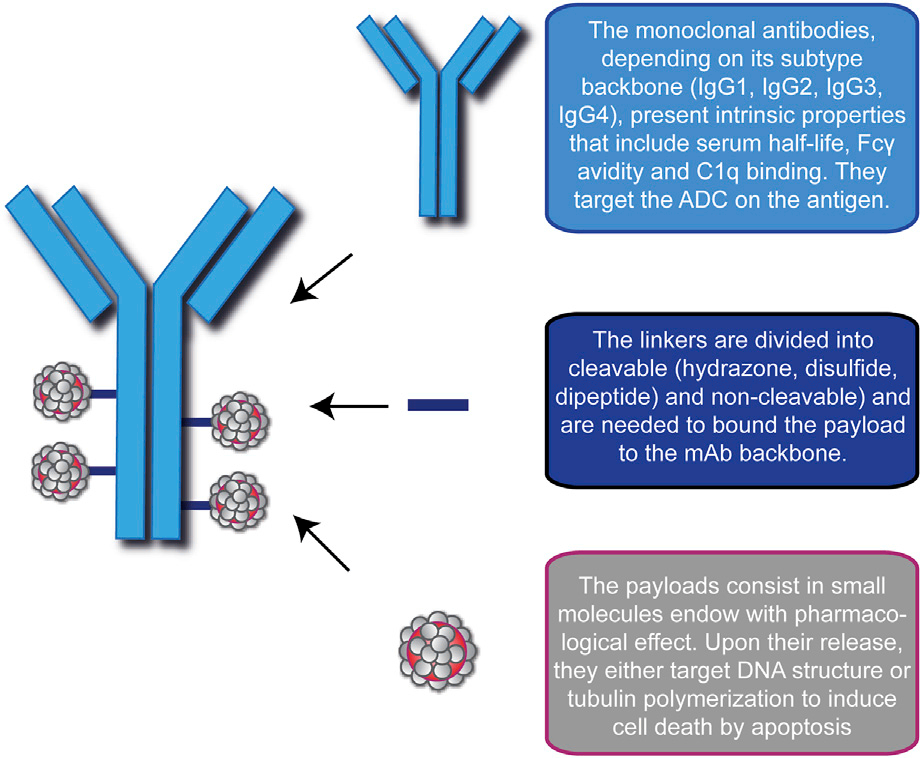
Mechanism of Action of Antibody-Drug Conjugates (ADCs)
Representative drugs include: trastuzumab deruxtecan (T-DXd, HER2-targeted) has reshaped the treatment landscape for breast cancer, lung cancer, and gastric cancer across multiple lines of therapy; sacituzumab govitecan (sac-TMT, TROP2-targeted) is the first TROP2 ADC to receive approval for lung cancer; and somatostatin analog FRα has filled the therapeutic gap for FRα-positive platinum-resistant ovarian cancer.
2. Radioactive ligand therapy (RLT)
By conjugating "target ligands" with "radionuclides" via a chelator—where the ligands lock onto tumor surface antigens and the radionuclides locally release radiation to induce cell death—a three-step strategy is employed: navigation and targeting → precise delivery → targeted cell killing.
A radiolabeled ligand consists of a targeting ligand and a radioactive isotope. Upon injection, the ligand specifically binds to target molecules on the surface of cancer cells, and the resulting complex is internalized by the cancer cells. The radioactive isotope then decays, releasing β or α particles that damage DNA, leading to cancer cell death. Due to its short range of action, this approach selectively kills target cells while minimizing damage to normal tissues. The hallmark of RLT is its integration of diagnosis and therapy: first, a diagnostic isotope is used to confirm target expression, followed by a therapeutic isotope for treatment.
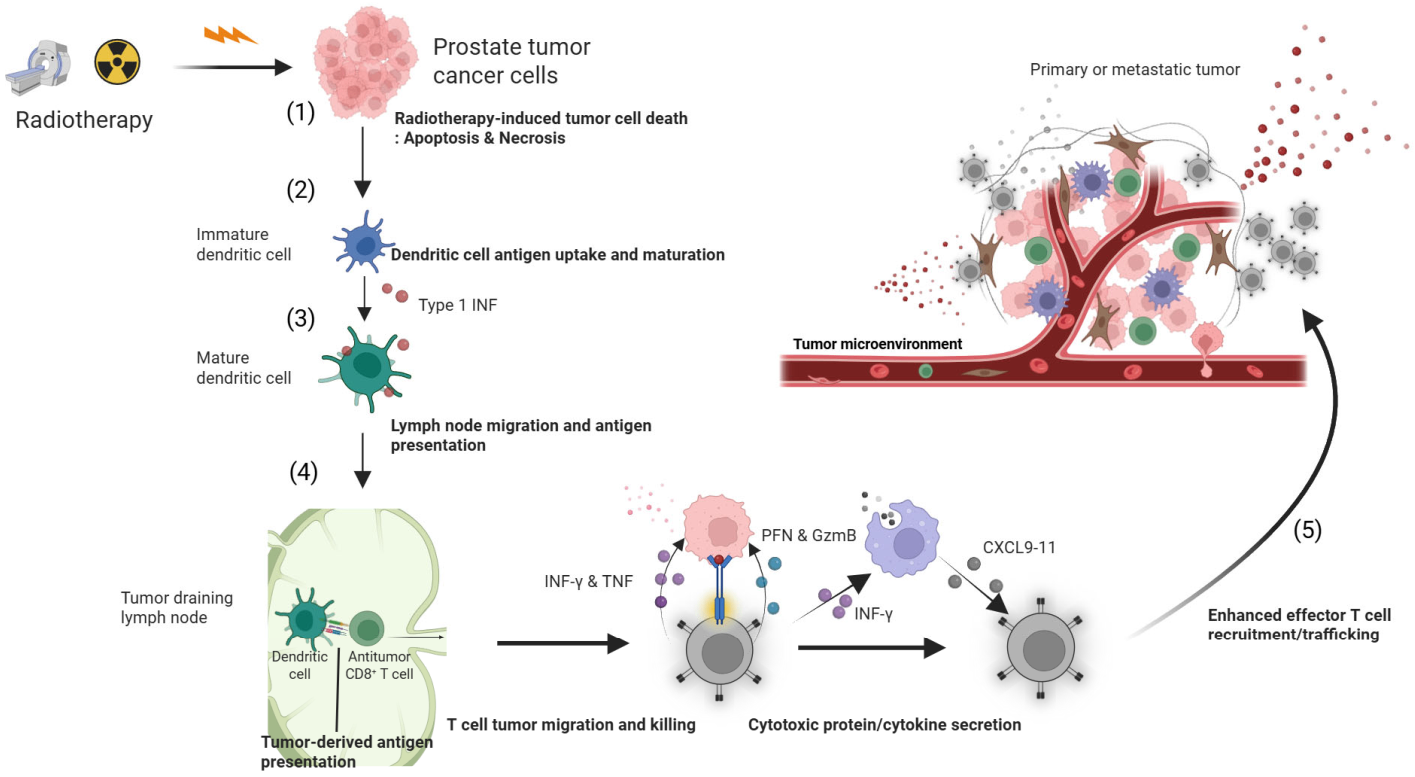
Mechanism of Action of Radioligand Therapy (RLT)
Representative drugs include: ¹⁷⁷Lu-Pluvicto (PSMA-targeted) was approved in China in November 2025 for the treatment of advanced prostate cancer; Lutathera (SSTR-targeted) is indicated for gastrointestinal and pancreatic neuroendocrine tumors; and next-generation α-emitter radiopharmaceuticals such as ²²⁵Ac-PSMA-617, among others.
II. Immune cell-mediated cytotoxicity: Mobilizing the body's own immune forces
Common rationale: The drug does not directly kill tumors; instead, it mobilizes, trains, guides, or lifts the suppression of the patient's own T cells, ultimately enabling immune cells to exert cytotoxic effects via perforin/granzyme.
3. Bispecific T-cell linker (TCE)
TCE is a bifunctional molecule that binds to tumor antigens on one end and to T-cell CD3 on the other, physically bridging the two cell types to form an "artificial immune synapse," thereby bypassing MHC restriction to directly activate T cells for cytotoxic effects. In contrast to CAR-T cells, which require in vitro preparation, TCE is a ready-to-use protein drug that enables immediate administration.
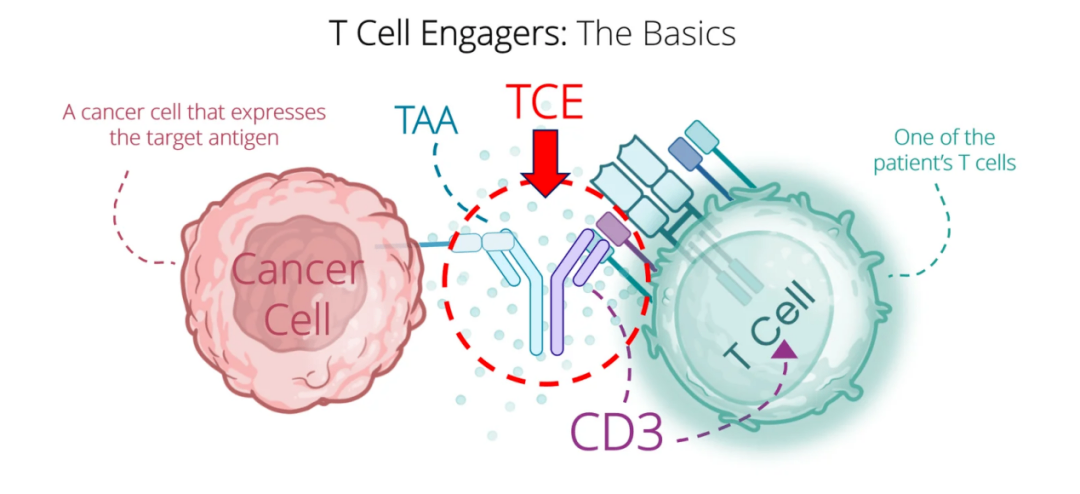
Mechanism of Action of Bispecific T-Cell Connectors (TCE)
Representative drugs include talatamab (DLL3×CD3), which was approved in 2024 for the treatment of platinum-treated small cell lung cancer, serving as a successful model for TCE in solid tumors; belinatumab (CD19×CD3), approved in 2014, marked the inception of this therapeutic class; and the domestically developed IBI389 (CLDN18.2×CD3), which has already advanced its indications for gastric cancer and pancreatic cancer to Phase III trials.
4. Cell therapy: CAR-T/TIL/TCR-T
Patient immune cells are extracted from the body, genetically modified or expanded in vitro, and then reinfused into the patient: CAR-T cells are engineered with chimeric antigen receptor genes to directly recognize tumor surface antigens; TIL therapy involves isolating polyclonal lymphocytes already infiltrating the tumor tissue, expanding them in vitro, and then reinfusing them—without the need for genetic modification; TCR-T therapy introduces specific TCR genes, enabling recognition of intracellular antigens and thereby overcoming the limitation of targeting only surface antigens.
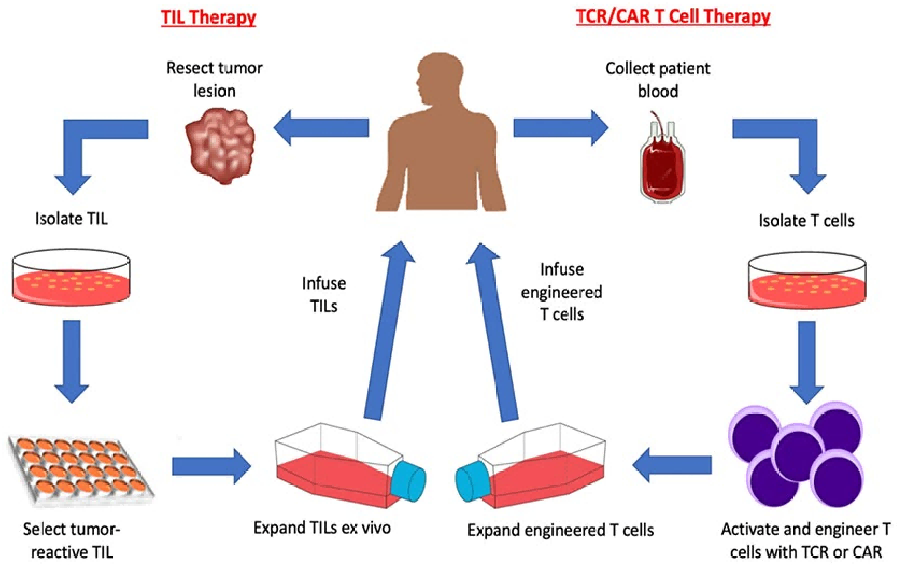
Mechanisms of Action of Cell Therapy (CAR-T/TIL/TCR-T)
Representative drugs: To date, nine CAR-T therapies targeting CD19 or BCMA have been approved in China; in June 2026, the CLDN18.2-targeted CAR-T therapy (sugemalimab) was approved for the treatment of advanced gastric cancer, making it the first CAR-T therapy for solid tumors globally; additionally, the TIL therapy Lifileucel (FDA approval in 2024) and the TCR-T therapy Afamiceel (FDA approval in 2024) have, respectively, opened new avenues for the treatment of melanoma and synovial sarcoma.
5. Dual anti-immune checkpoint antibodies
One component blocks the immunosuppressive pathway (PD-1/PD-L1), while the other targets the angiogenic pathway (VEGF) or another immune checkpoint (CTLA-4), enabling synergistic action across dual pathways. In contrast to TCE, dual immune checkpoint antibodies can be likened to "removing the brake," thereby restoring pre-existing immune responses; whereas TCE functions as "active recruitment," directly physically pulling T cells toward the tumor site to exert their effects.
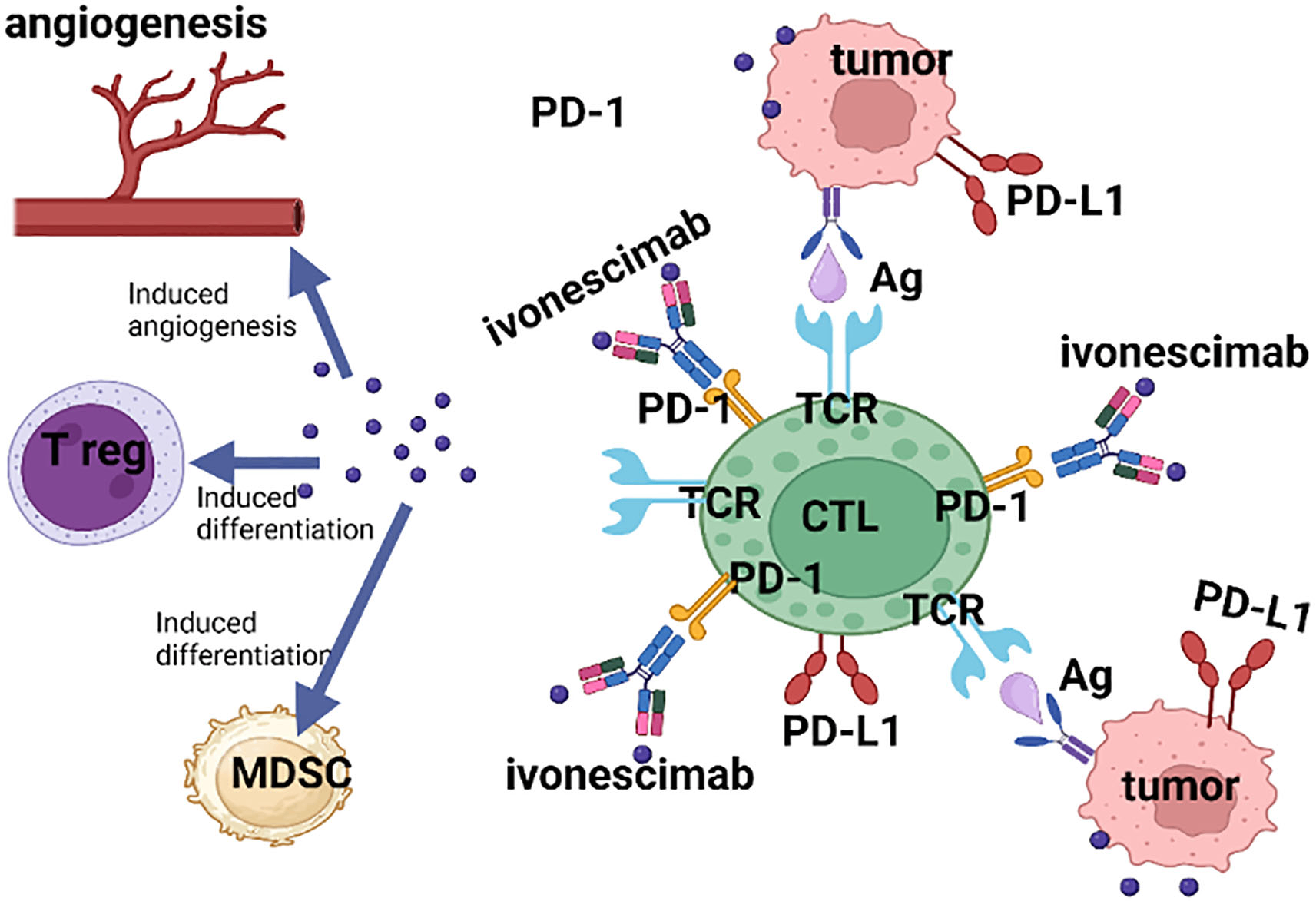
Mechanism of Action of Immune Checkpoint Bispecific Antibodies
Representative drugs: Ivosimab (PD-1×VEGF) was the first drug to outperform pembrolizumab in a Phase III head-to-head trial; cadonilimab (PD-1×CTLA-4) was approved for the treatment of cervical cancer in China in 2022.
6. mRNA tumor vaccine
mRNA encoding tumor neoantigens, upon injection, is taken up by antigen-presenting cells, translated into proteins, and presented via MHC molecules, thereby inducing specific T-cell responses. The workflow for personalized vaccines comprises the following steps: tumor tissue sequencing → screening for neoantigens using AI algorithms → synthesis of mRNA → delivery via lipid nanoparticles, thereby achieving individualized, customized "one patient, one drug" solutions. mRNA-based tumor vaccines represent one of the most advanced approaches currently being developed among various therapeutic tumor vaccine strategies.
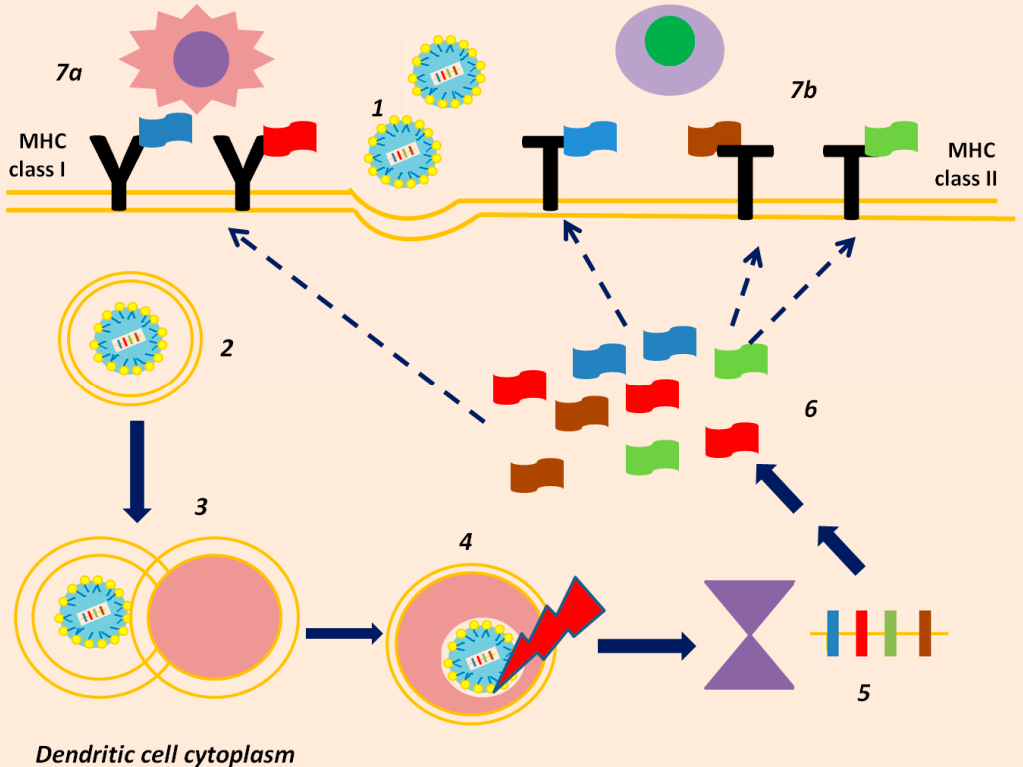
Mechanism of Action of mRNA Cancer Vaccines
Key trial: The Phase III INTerpath-001 study, which evaluated the combination of mRNA-4157 and pembrolizumab, has met its primary endpoint—a 49% reduction in the risk of melanoma recurrence or death—positioning this therapy as a potential candidate to become the first globally approved personalized neoantigen therapy.
7. Oncolytic virus
The genetically engineered virus selectively replicates within tumor cells and lyses them; the tumor antigens released during this lysis, together with danger signals, further activate systemic anti-tumor immunity, transforming "cold tumors" into "hot tumors" —leveraging a dual mechanism of direct cytotoxicity and immune activation.
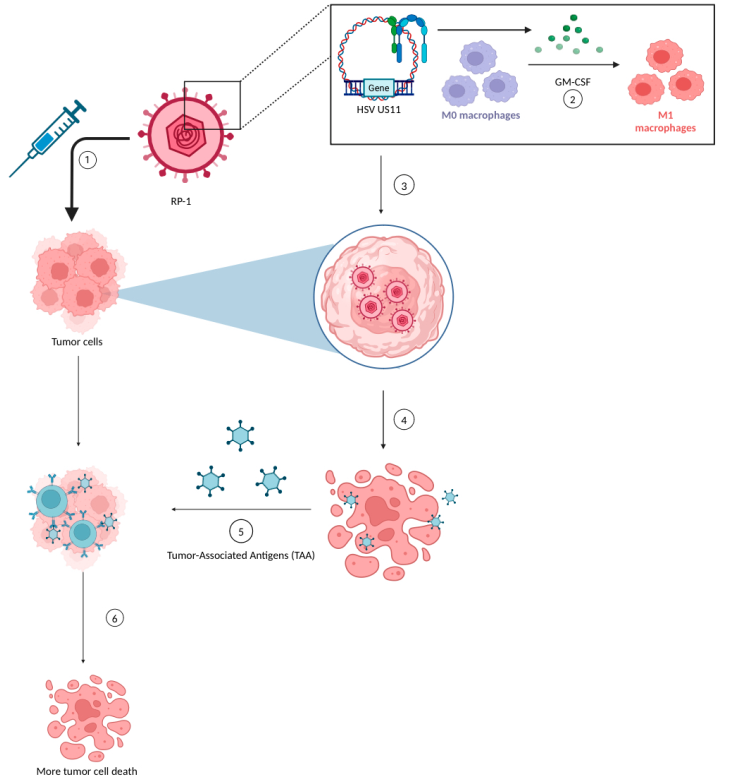
Mechanism of Action of Oncolytic Viruses
Representative drugs: T-VEC (FDA approved in 2015) is the first oncolytic virus to receive global approval; the domestically developed H101 (Ankerui) was approved in China as early as 2005; the combination therapy of RP1 and nivolumab received FDA approval in August 2026 for the treatment of melanoma in patients who have failed anti-PD-1 therapy.
8. CRISPR Gene Editing
It should be noted that the current role of CRISPR in the field of oncology is primarily that of an "enabling technology" rather than a standalone therapy—most applications involve editing immune cells in vitro followed by reinfusion: knockout of PD-1/CISH enhances the efficacy of T cells, while knockout of TRAC/B2M enables the construction of universal CAR-T cells and helps prevent graft-versus-host disease. In vivo editing (via lipid nanoparticle delivery) represents the next evolutionary direction, though it remains in its early stages of development.
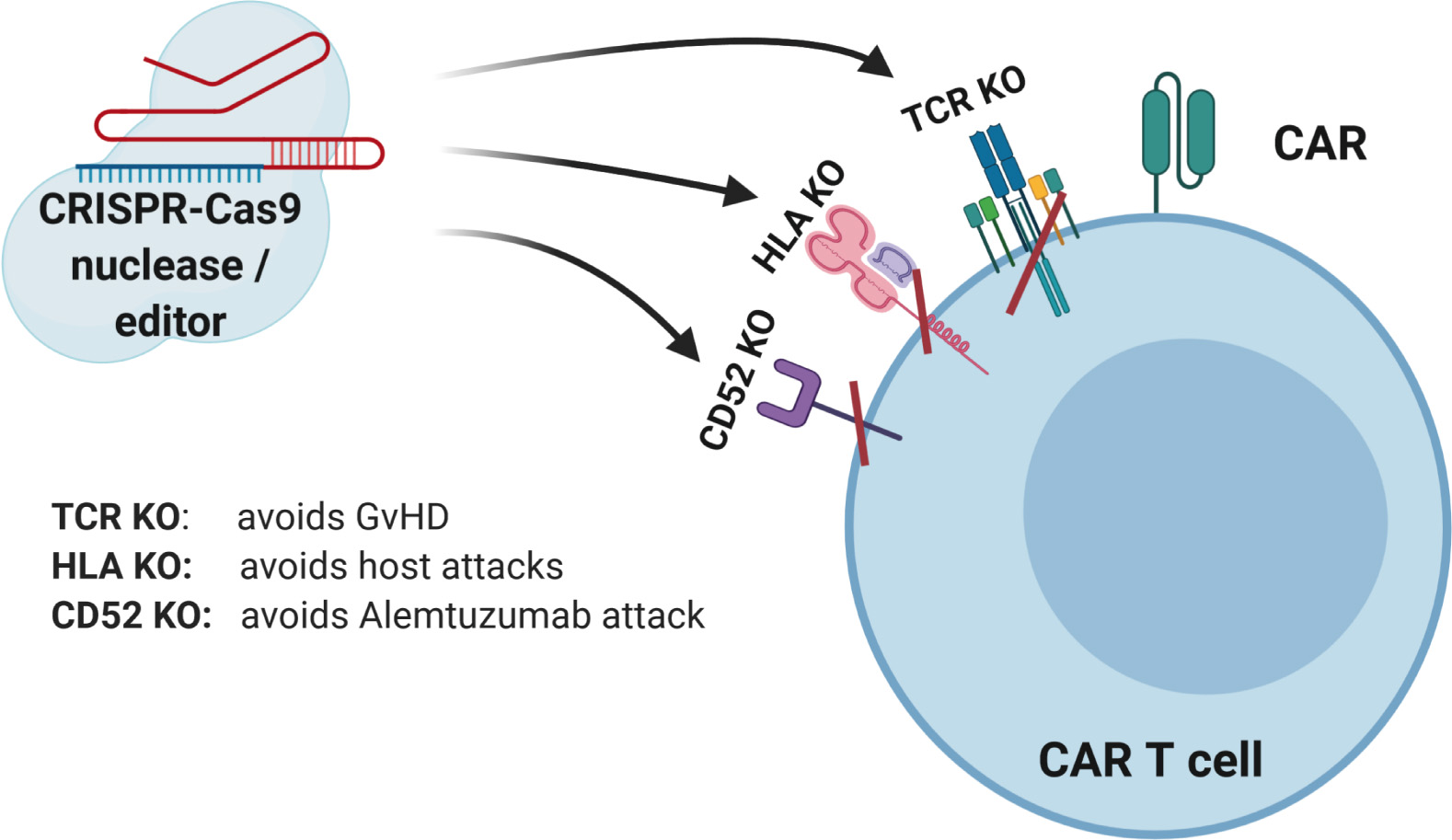
Mechanism of Action of CRISPR Gene Editing
Representative studies, including CTX112 (off-patent CD19 CAR-T) and NTLA-5001 (WT1 CAR-T)—with early data from 5 patients with acute myeloid leukemia showing that 3 patients achieved MRD-negative complete remission—are all in Phase I clinical trials.
III. Collapse of Intracellular Signaling Pathways: Inducing Self-Suppression in Tumors
Common mechanism: Small-molecule drugs enter tumor cells and directly disrupt the molecular signaling pathways essential for their survival, thereby causing the tumor cells to "collapse." Unlike the previous two classes of drugs, this class is predominantly available for oral administration, and its action occurs intracellularly.
9. Targeted protein degradation: PROTAC
PROTACs are bifunctional small molecules that bind to the target protein at one end and recruit an E3 ubiquitin ligase at the other end; upon forming a ternary complex, they facilitate the degradation of the target protein via the ubiquitin-proteasome system. The PROTAC itself is not degraded and can be recycled, enabling repeated catalytic degradation cycles. Furthermore, PROTACs can target "undruggable" proteins that are difficult to target with conventional inhibitors.
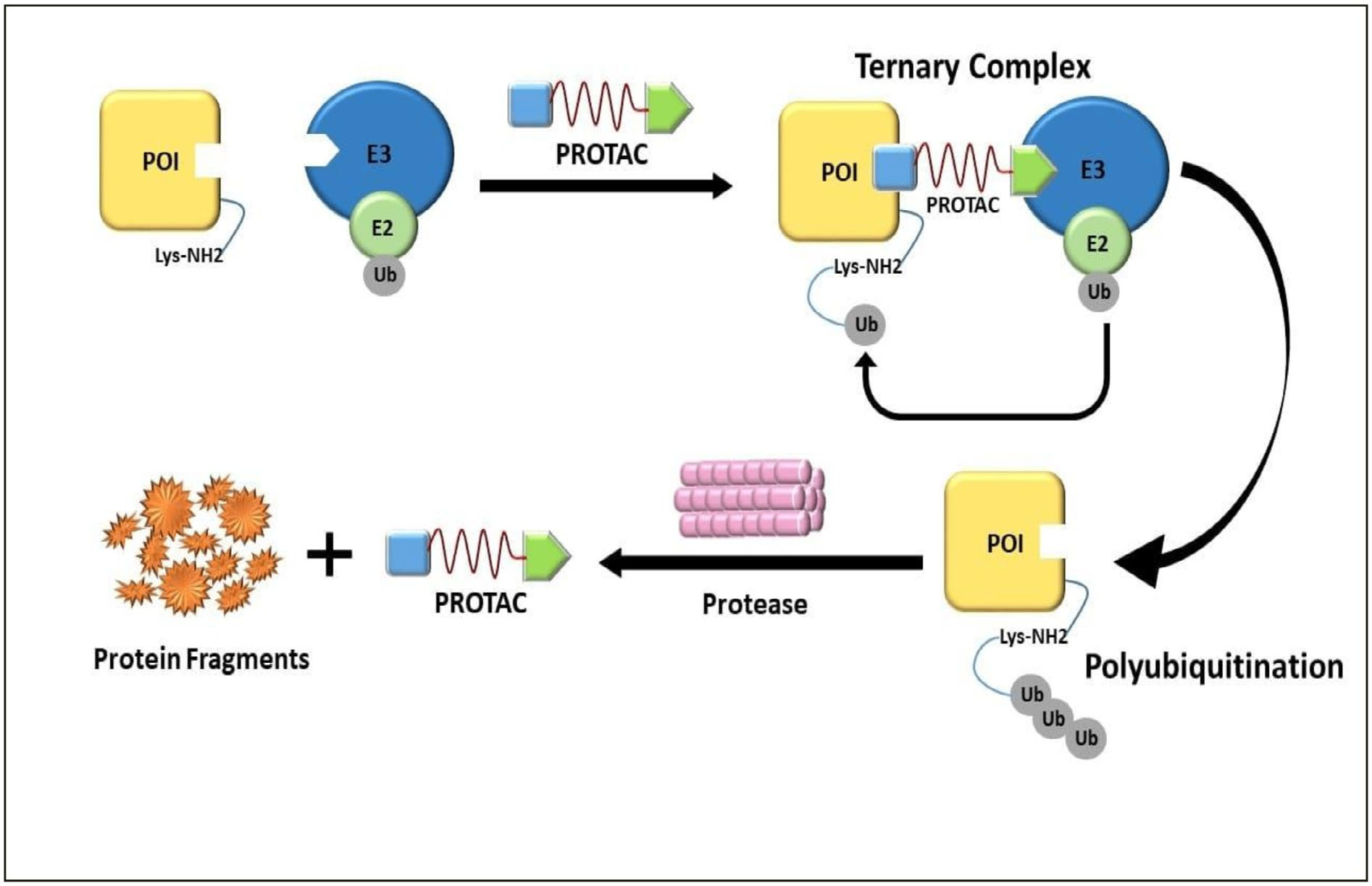
Mechanism of Action of PROTAC Drugs
Representative drug: Vepdegestrant (degradable ER), which received FDA approval in May 2026, became the first PROTAC drug to be marketed globally.
10. RIPTAC
RIPTAC consists of one end bound to a tumor-specific protein (TP) and the other end bound to a cellular essential protein (EP): within tumor cells that highly express TP, it forms a stable ternary complex, "grabbing" the essential protein and rendering it inactive, thereby selectively killing tumor cells while sparing normal cells. This mechanism is termed "hold and kill" —first capturing, then killing. The key distinction between PROTAC and RIPTAC is that PROTAC promotes the degradation of the target protein, whereas RIPTAC renders the essential protein inactive.
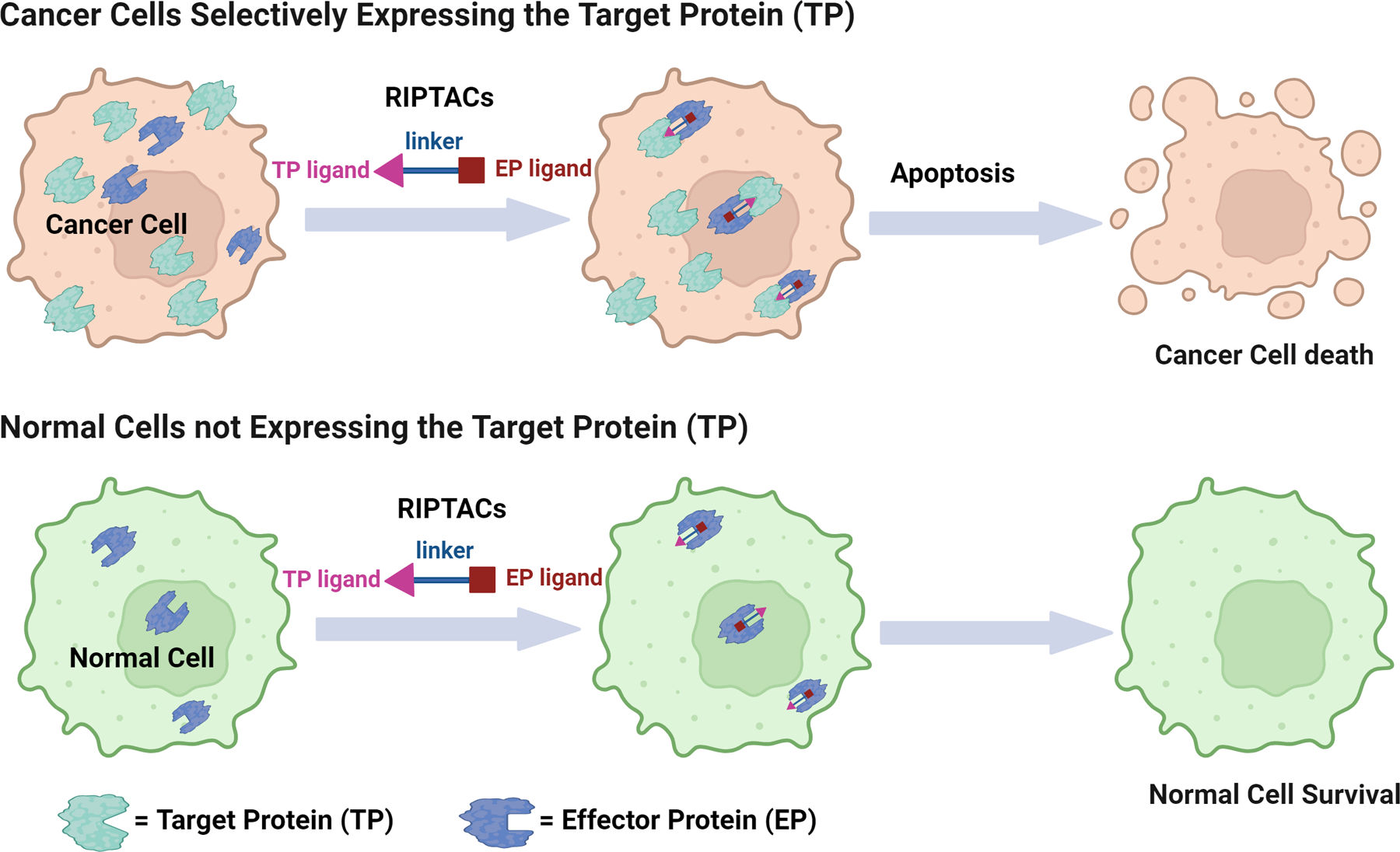
PIPTAC: Drug Mechanism of Action
Representative drug: Phase I/II clinical trial data for HLD-0915 (AR×BRD4) demonstrated a PSA50 response rate of 42% in patients with previously treated prostate cancer, making it the first IPRiPTAC molecule to advance to clinical trials; this class of drugs currently remains in the proof-of-concept stage.
11. Tumor Metabolic Targeting
Tumor cells rely on "metabolic reprogramming" to sustain rapid proliferation: aerobic glycolysis (Warburg effect), glutamine addiction, and hyperlipid synthesis. Metabolic targeting induces a "metabolic crisis" by disrupting both energy supply and biosynthetic substrates; multi-node inhibition is far less likely to be compensated by tumors than single-point inhibition.
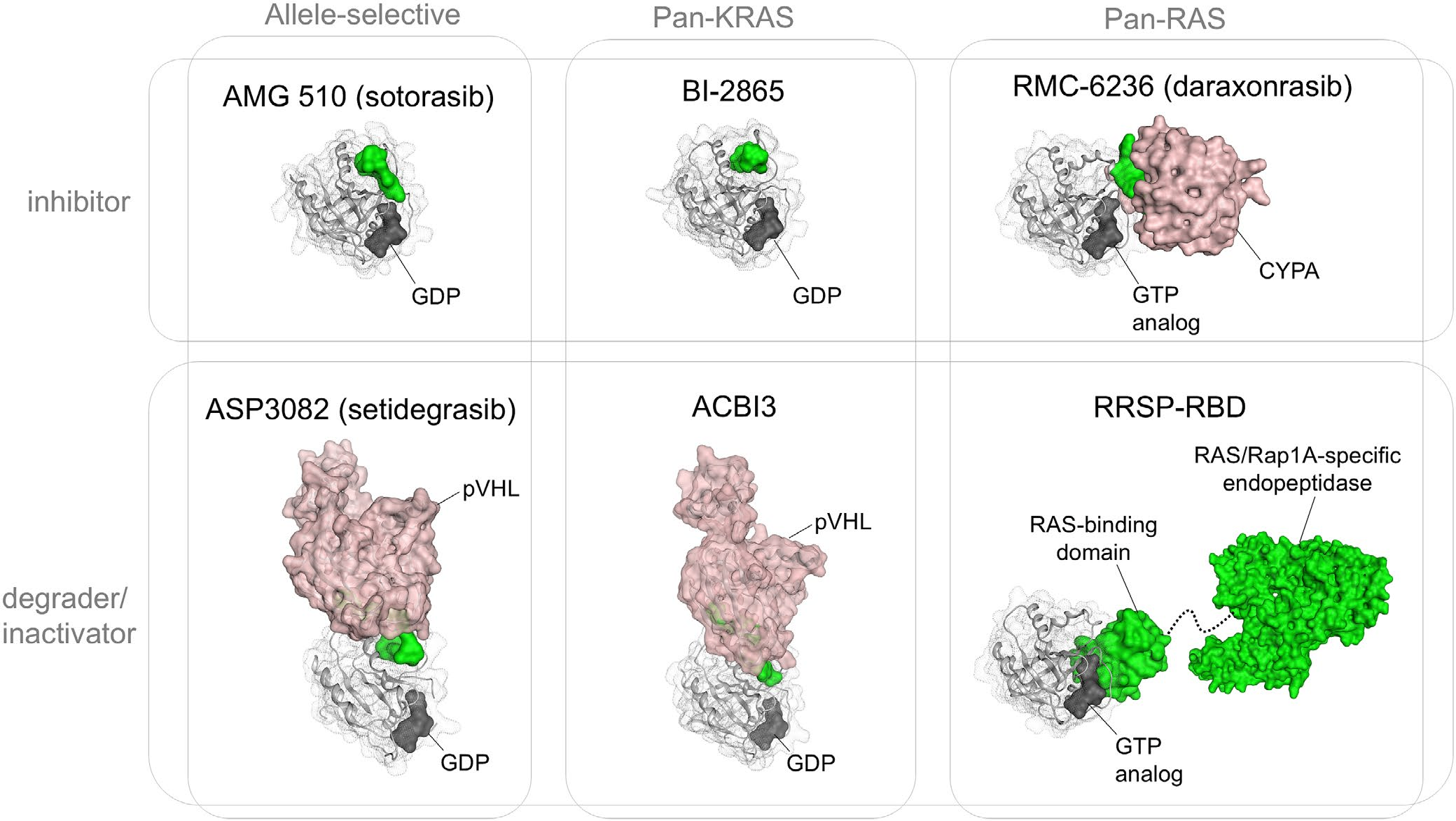 Mechanism of Action of Tumor Metabolic Targeted Drugs
Representative drug: Daraxonrasib (pan-KRAS) has achieved an objective response rate of approximately 32%–47% in patients with previously treated pancreatic cancer. In August 2026, it was approved by the FDA for the treatment of patients with metastatic pancreatic cancer who have received at least one prior systemic therapy or are unsuitable for multiple systemic therapies, marking the first breakthrough in this therapeutic area.
12. Epigenetic Therapy
Targeted modulation of epigenetic modifiers that regulate chromatin states and gene expression (e.g., EZH2, BET, LSD1, DNMT) can reprogram the transcriptional landscape of tumor cells. Epigenetic remodeling also holds additional therapeutic value: it can restore tumor antigen expression and enhance immune recognition, thereby providing a mechanistic basis for its combination therapy with immune checkpoint inhibitors and T-cell checkpoint inhibitors (TCE).
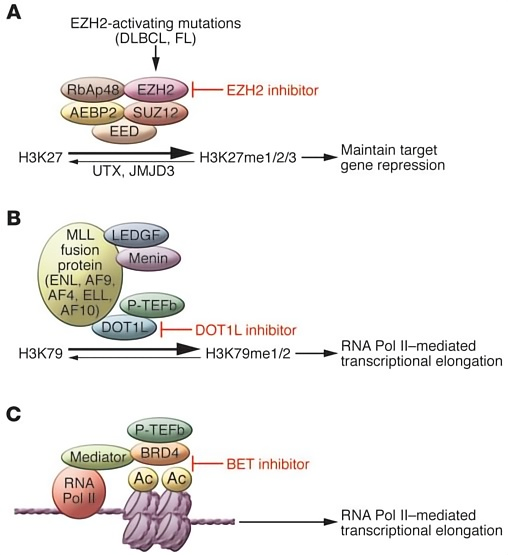
Mechanisms of Action of Epigenetic Therapeutic Agents
Representative drugs: Tazemetostat (an EZH2 inhibitor, FDA approval 2020) has been approved for follicular lymphoma and epithelioid sarcoma (though on March 9, 2026, the company announced a voluntary global withdrawal of all indications); next-generation BET and LSD1 inhibitors are currently advancing in multiple tumor types.
Summary: An overview of three treatment options in one table
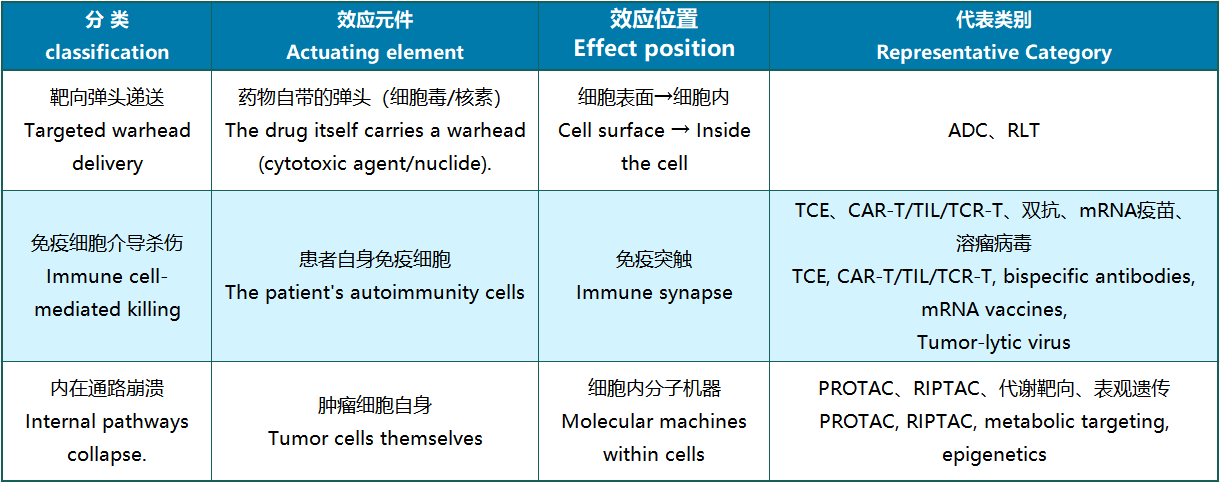
The mechanisms and principles underlying the aforementioned emerging therapeutic approaches overlap to some extent; the classification provided herein is for reference purposes only. With the accumulation of greater clinical data and advances in research spanning molecular mechanisms, biosynthesis, and materials chemistry, we anticipate that numerous new drugs will emerge from these fields, offering renewed hope for patients.
**Disclaimer**: This article provides scientific information on disease treatment and does not constitute medical advice. The indications and approval status of the medications mentioned in this article are subject to the latest official announcements from relevant pharmaceutical regulatory authorities in each country; for clinical decision-making, please consult a qualified healthcare professional.
References
[1] Riccardi F, et al. A comprehensive overview on antibody-drug conjugates: from the conceptualization to cancer therapy. Front Pharmacol. 2023;14:1274088.
[2] Kwon WA, et al. Neoadjuvant ¹⁷⁷Lu-PSMA-617 radioligand therapy for high-risk localized prostate cancer. Cancers. 2025;17:3330. DOI:
[3] Quinn S, et al. Genetic modification of T cells for the immunotherapy of cancer. Vaccines. 2022;10:457.
[4] Shi F, et al. Unlocking new horizons in oncology: ivonescimab's dual-target approach to anti-VEGF/PD-1(L1) therapy. Front Immunol. 2025;16:1599181.
[5] Gazouli I, et al. Individualized mRNA vaccines in melanoma—where do we stand? Vaccines. 2025;13:986.
[6] Nassief G, et al. Where are we now with oncolytic viruses in melanoma and nonmelanoma skin malignancies? Pharmaceuticals. 2024;17:916.
[7] Morgan MA, et al. Use of cell and genome modification technologies to generate improved "off-the-shelf" CAR T and CAR NK cells. Front Immunol. 2020;11:1965.
[8] Ibrahim S, et al. Navigating PROTACs in cancer therapy: advancements, challenges, and future horizons. Food Sci Nutr. 2025;13:e70011.
[9] Ma Z, Bolinger AA, Zhou J. RIPTACs: A groundbreaking approach to drug discovery. Drug Discov Today. 2023 Nov;28(11):103774.
[10] Honda R, et al. Daraxonrasib and beyond: pan-RAS inhibition, resistance, and next-generation strategies. Cancer Sci. 2026.
[11] Campbell RM, et al. Cancer epigenetics drug discovery and development: the challenge of hitting the mark. J Clin Invest. 2014;124:6–9.