


2026-08-28 15:22:31

There is an old saying in the pharmaceutical industry: the indication of a new drug is always on the way.
Drug development often takes ten years and costs billions of dollars, so scientists turned their attention to another path - "old drugs for new uses": to use drugs that have been on the market for many years and have clear safety to fight new battles. In the field of oncology, several unexpected "players" were listed, coming from the fever-reducing drug counter, diabetes prescription, weight loss injection, and urology pharmacy.(The drugs mentioned in this article do not have approved indications for tumors at present, and are only for learning and exchange. Do not take them blindly.)
※ Aspirin: The most solid evidence "cross-border player"
Aspirin is a classic antipyretic, analgesic and anti-inflammatory drug that has been born for more than a hundred years. In the field of anti-tumor, it is one of the drugs with the highest evidence level in the new use of old drugs. For the study of this drug in colorectal cancer, research has been carried out many years ago.
A randomized controlled trial (RCT) with colorectal cancer as the main outcome showed that taking aspirin can reduce the risk of colorectal cancer by 26% (HR 0.75), but the preventive effect will only be seen after 10 years of taking the drug. A meta-analysis of 45 observational studies by Bosetti et al. showed that regular use of aspirin can reduce the risk of colorectal cancer by 27% (RR 0.74), and there is a dose effect: 100 mg, 325 mg, and 500 mg per day reduce the risk by 13%, 36%, and 50%, respectively.
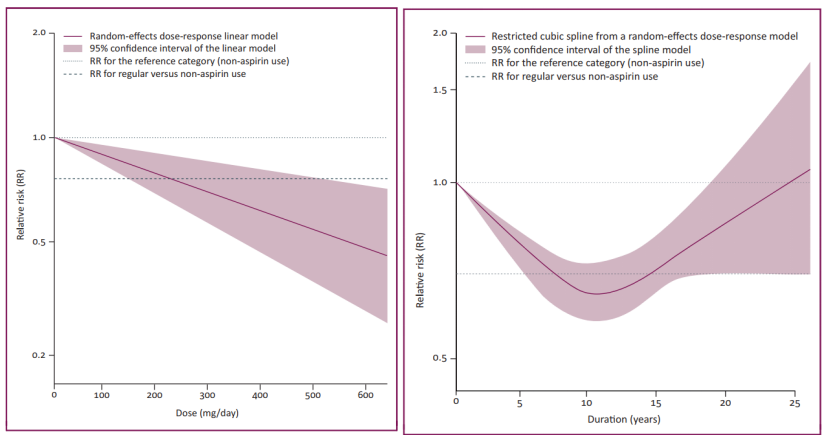
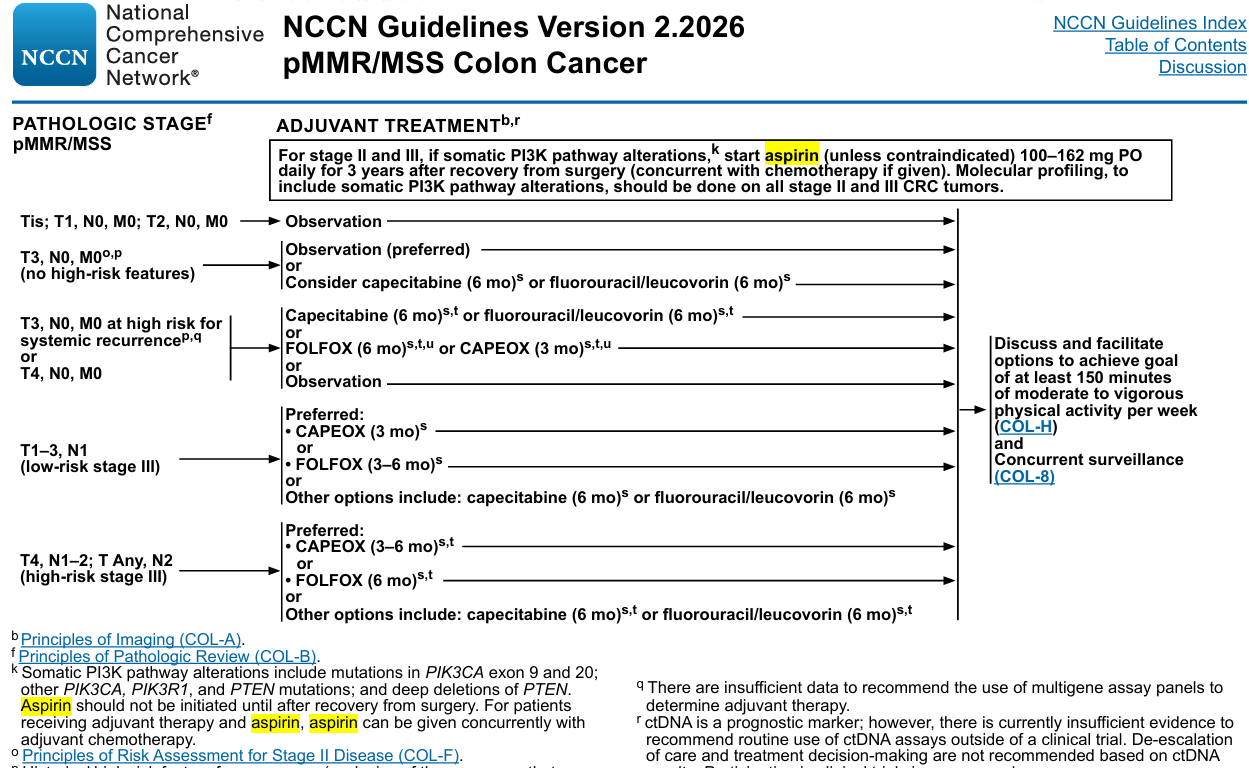
Mechanistically, aspirin inhibits COX-2, reduces the synthesis of prostaglandin E2, downregulates the activity of the PI3K/AKT pathway, and inhibits inflammation and tumor proliferation. Based on these research results, the NCCN guidelines for colorectal cancer also include aspirin, and the guidelines recommend that for patients with stage II and III colorectal cancer, If there is a somatic mutation in the PI3K pathway in somatic cells, aspirin should be started after recovery from surgery (if chemotherapy is given at the same time, it should be given simultaneously) at a dose of 100-162 mg orally per day for 3 years if there are no contraindications. The writing of the guidelines has become the strongest recitation in the current application of aspirin in colorectal cancer.
※ "Metformin: the "anti-cancer potential stock" in antidiabetic drugs
Metformin is the world's most widely used first-line oral hypoglycemic drug (biguanide) for type 2 diabetes, which can reduce blood sugar by inhibiting liver glycogen output and improving insulin sensitivity. In recent years, it has become a research hotspot in the field of oncology due to the anti-cancer signal observed in patients with diabetes.
A study published in PNAS in 2020 by the team of Gao Guoquan from Sun Yat-sen University: Among 2,335 patients with metastatic colorectal cancer, patients carrying KRAS mutations who used metformin to lower blood sugar had a total survival time that was 37.8 months longer than those who used other blood sugar-lowering drugs, and a progression-free survival time that was 8.1 months longer. However, it has no protective effect on KRAS wild-type patients. Mechanism research has found that KRAS mutation will cause metformin to accumulate in large quantities in cancer cells, inhibit the MEK/ERK pathway, and thus selectively inhibit the proliferation of mutant cancer cells - this effect has been verified in PDX mouse models.
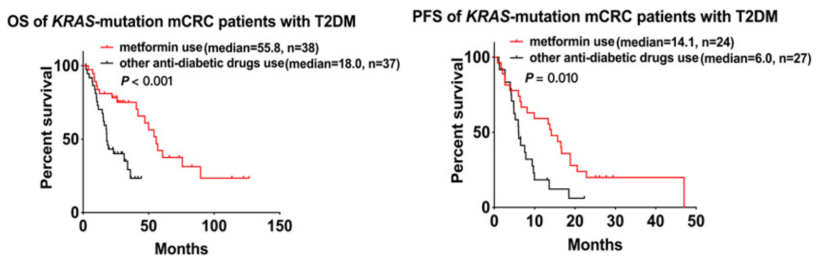
However, it should be noted that the benefits of metformin in the postoperative scenario of colorectal cancer are not yet clear, and relevant guidelines are neutral. Its anti-cancer function still needs more evidence to support it.
※ GLP-1 drugs: the "unexpected side effect" of weight loss stars
The intestinal incretin analogs represented by semaglutide (the "fat-reducing miracle drug" component) promote insulin secretion, inhibit appetite, and significantly reduce weight by activating the GLP-1 receptor. These are currently the most popular metabolic drugs. The popularity of semaglutide and other drugs has surpassed that of any type of diabetes medication. By 2025, Tirzepatide and semaglutide will surpass pembrolizumab, the previous top-selling drug, in terms of sales. And their connection to tumors is beginning to be revealed.
A network meta-analysis published in Diabetes/Metabolism Research & Reviews in 2026 (17 RCTs, 36,414 patients) showed that GLP-1 receptor agonists significantly reduced the risk of colon cancer by 66% ( RR 0.33, 95% CI 95% CI: 0.17-0.68), with a more significant reduction in the subcutaneous injection of semaglutide (RR 0.19). The mechanism is speculated to be related to weight reduction, improvement of insulin resistance, and anti-inflammation - obesity itself is a definite risk factor for more than ten types of cancer.
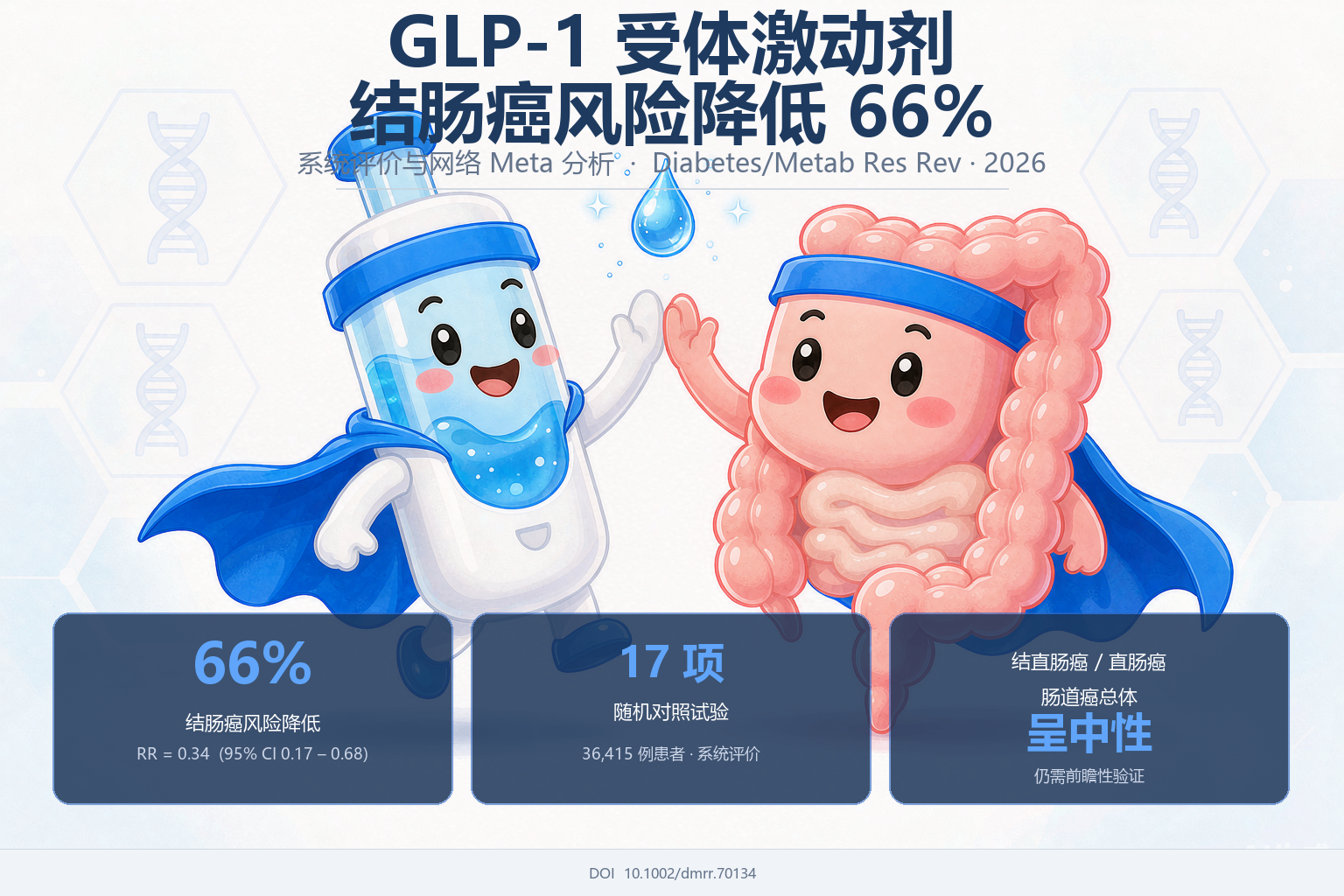
But it must be stated truthfully: the tumor evidence for GLP-1 drugs is currently inconsistent. A meta-analysis of 50 RCTs also found that the overall cancer risk was neutral, and some short-term trials even detected signals of colorectal cancer (researchers believe that this may be related to an increase in colonoscopy due to gastrointestinal symptoms after taking the drug). GLP-1 drugs for tumors are still in the "hopeful, undecided" stage, which is related to the improved detection rate.
※ Sildenafil: from "blue little pill" to immunomodulator
Sildenafil, originally a cardiovascular drug and a PDE5 inhibitor famous as "Viagra", may now be the most dramatic player on the front line of the fight against cancer.
In 2025, a team from Westlake University published a study in Nature: Tumors can destroy the cGMP signal in dendritic cells, inhibit their migration, and thus escape immune surveillance. Sildenafil, on the other hand, restores the migration function of dendritic cells by increasing the level of cGMP, and significantly inhibits the growth of various tumors. In 2026, the Weizmann Institute of Science team also reported another mechanism in Cancer Research: sildenafil elevates cGMP, which "locks" cholesterol transporter NPC1, causing cholesterol to be trapped in lysosomes and unable to be used by cancer cells. The cell membrane raft decreases, and the ability of cancer cells to migrate and metastasize decreases. Tumor metastasis was significantly reduced in animal experiments, and the effect was stronger when combined with statins.
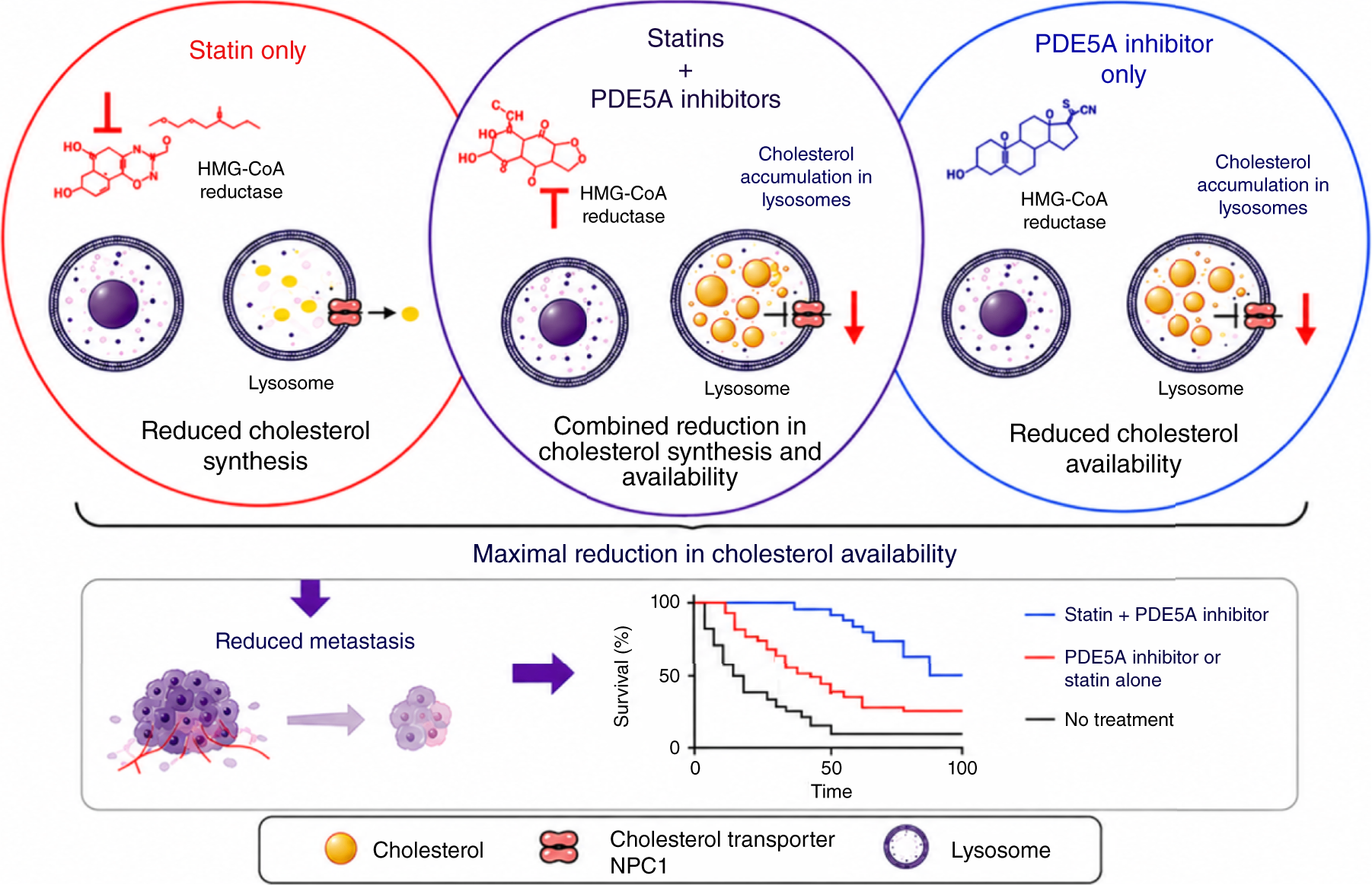
Early evidence is still at the animal model stage, and whether sildenafil can really open up a new path in the field of tumors still needs more experiments to prove.
Anticancer old drugs, seemingly different but have commonalities
From aspirin (written into the NCCN guidelines for colorectal cancer) to metformin (precise population + clear mechanism), to GLP-1 drugs and sildenafil (meta-analysis and mechanism research stage), the "anti-cancer color" of the four drugs is not the same.
But the rules are the same: tumors are essentially diseases of metabolism, immunity, and chronic inflammation, and these old drugs happen to act on these pathways. Using old drugs for new purposes saves time and money and has sufficient safety data, which is an important direction for the development of anticancer drugs.
* Special reminder: At present, except for aspirin, which has recommendations for specific populations in the NCCN guidelines for colorectal cancer, none of the others have been approved for anti-cancer indications. It is not advisable to take anti-cancer drugs for a long time on your own. The second life of the drug is worth looking forward to, just let it happen in clinical trials, not in your medicine cabinet.
Reference:
[1]NCCN Guidelines Version 2.2026 Colon Cancer
[2]C, Bosetti,C, Santucci,S, Gallus et al. Aspirin and the risk of colorectal and other digestive tract cancers: an updated meta-analysis through 2019. Ann Oncol, 2020, 31: 558-568.
[3]Jinye, Xie,Liangping, Xia,Wei, Xiang et al. Metformin selectively inhibits metastatic colorectal cancer with the KRAS mutation by intracellular accumulation through silencing MATE1. Proc Natl Acad Sci U S A, 2020, 117: 13012-13022.
[4]Guo M, Liu Y, Zeng Y et al. Association Between GLP-1 Receptor Agonists and the Risk of Colon Cancer in Adults With Type 2 Diabetes or Obesity: A Systematic Review and Network Meta-Analysis. Diabetes Metab Res Rev. 2026 Feb;42(2):e70134.
[5]Tang H, Wei Z, Zheng B et al. Rescuing dendritic cell interstitial motility sustains antitumour immunity. Nature. 2025 Sep;645(8079):244-253.
[6]Ariav Y, Hayek S, Cantore T et al. PDE5a Inhibition Restricts Cancer Metastasis by Disrupting NPC1-Mediated Cholesterol Trafficking Through a Non-canonical cGMP-Dependent Pathway. Cancer Res. 2026 Jul 14.